8 finished slides

Startup one pager deck

The deck a founder sends before a meeting rather than during one. Seven slides, no build up, and an honest read of where the company is weak as well as strong.

Make one like thisEditable, then export to PowerPoint or PDF

The full deck

Every slide as it was built, in order. All the content was written for this example, so the structure can be judged on real numbers rather than placeholder text.
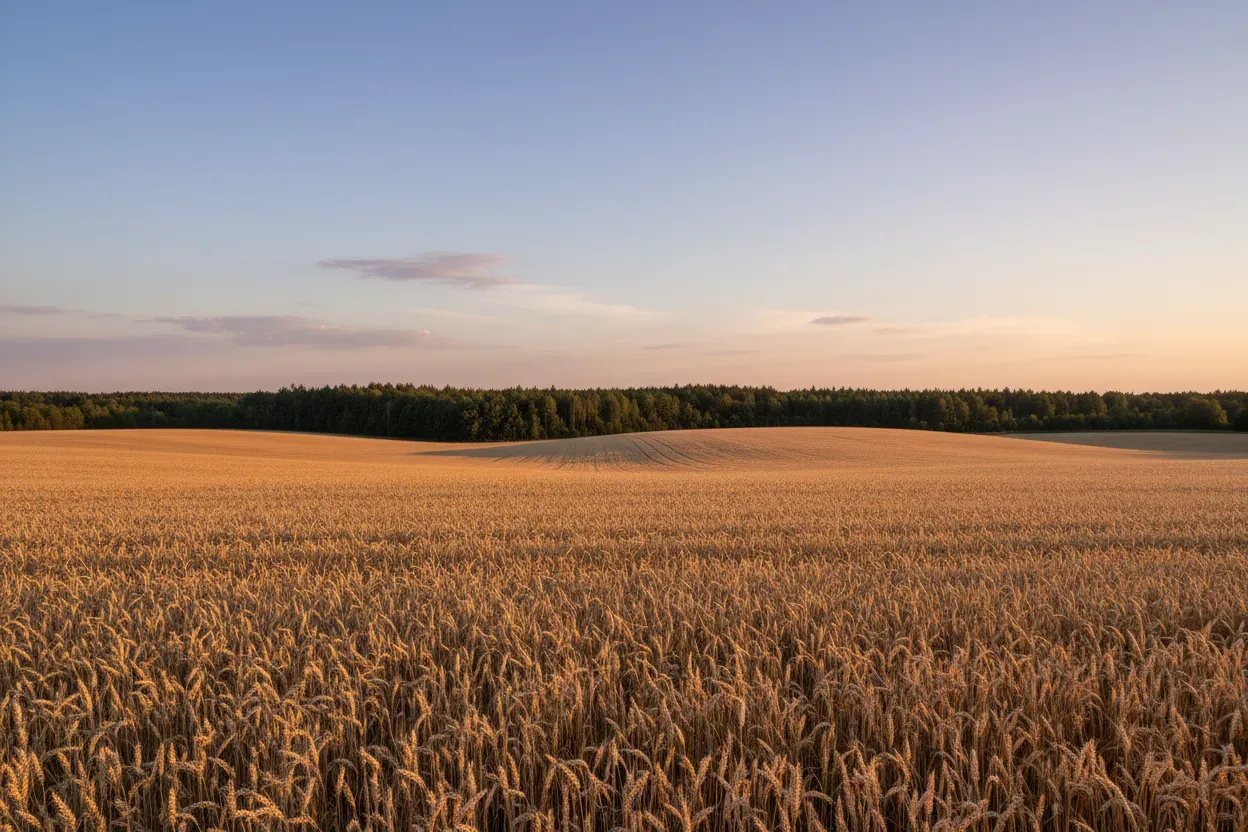
Landscape photograph of a wheat field in late afternoon light, even crop rows stretching to a distant treeline, clear sky, wide editorial composition, no text, no logos

Company one pager, August 2026

Rootline

Soil testing and fertiliser planning, sold as a subscription.

Ellie Sandberg

Co-founder, Rootline

Slide 1 of 8

In one paragraph

Rootline is soil testing for broadacre farms, sold as a subscription. We post a sampling kit, run the lab work and return a fertiliser plan per paddock inside eight days.

14% less fertiliser

Average saving against the grower baseline rate, with yield held across three seasons.

8 day turnaround

Sample to plan through our own lab, fast enough to change this season's order.

Per paddock rates

A plan with numbers on it, not a lab report the grower has to interpret alone.

02

Slide 2 of 8

The gap

Why growers overspend

A typical broadacre grower tests soil once every three to five years, on a handful of points, and fertilises the whole farm to the average result. The paddocks that need less get the same rate as the ones that need more. Fertiliser is the second largest input cost on most farms, and roughly a fifth of it is spread where it changes nothing. The reason is not stubbornness. Testing has been slow, agronomist time is scarce at exactly the moment growers need a decision, and the results usually arrive as a spreadsheet nobody turns into a plan.

01
Testing is too slow

Sample to result runs three to five weeks at most labs, which lands after the fertiliser order has to be placed.

02
Results are not a plan

Growers get numbers, not rates. Turning a lab report into a per paddock plan needs agronomist hours nobody has in season.

03

Slide 3 of 8

Where we are

Three seasons in, all figures as at 31 July 2026.

386

Farms subscribed

Across four grain growing regions in two states.

$2.4M

Annual recurring revenue

Average subscription $6,200 a farm per year.

91%

Season on season renewal

Measured at the start of the third season.

14%

Average fertiliser saving

Compared with the grower baseline rate, yield held.

8 days

Sample to plan

Median turnaround through our own lab since March.

11

People

Four in the lab, three agronomy, four building the product.

04

Slide 4 of 8

Position

Honest read, August 2026

Where Rootline is strong, where it is thin, and what has to go right in the next two seasons for this to be a national business rather than a regional one.

Strengths

Own lab, so turnaround is ours to control. Renewal at 91 percent. Agronomists on staff, not contracted per job.

Weaknesses

One lab in one location. Sales still runs through field days and word of mouth, which does not scale past a state.

Opportunities

Carbon and nutrient reporting is becoming a condition of supply for grain buyers, and our data already answers it.

Threats

A dry season cuts input spend across the board, and two fertiliser resellers are bundling free testing to hold volume.

05

Slide 5 of 8

The next five things

In order. Each one unlocks the one below it.

1

Second lab in the west

Removes the freight leg that adds four days for western growers and doubles peak capacity.

2

Reseller channel

Two agronomy groups reselling Rootline to their own client books, on a revenue share.

3

Buyer reporting pack

Nutrient and carbon reporting in the format grain buyers are starting to require at delivery.

4

Imagery layer

Pair soil results with satellite biomass so rates vary within a paddock, not just between them.

5

Third region

Enter the northern grain belt with the reseller model rather than our own field team.

06

Slide 6 of 8

What we believe

Six things that shape every decision here

1

Test more, spread less

2

Days, not weeks

3

A plan, not a report

4

Own the lab

5

Per paddock, always

6

Yield first, cost second

07

Slide 7 of 8

Happy to walk you through the numbers

We are raising a $4M Series A in October to fund the second lab and the reseller channel.

Founder

Ellie Sandberg

Email

ellie@rootline.example

Mobile

0412 884 300

08

Slide 8 of 8

What makes this deck work

The whole business in one paragraph

The cover carries a full paragraph, so a reader who opens nothing else still understands the company.

Six numbers, no chart

At this length a grid of six figures reads faster than a graph and is harder to argue with.

It admits the weaknesses

A quadrant naming the thin spots earns more trust from investors than a deck where everything is a strength.

Questions people ask

What is a startup one pager deck?

A short deck sent ahead of a meeting that covers what the company does, its traction and its ask, without needing a presenter.

How is it different from a pitch deck?

It is shorter and written to be read alone. A pitch deck supports a live conversation and can leave more unsaid.

How many slides should it be?

Five to eight. This example uses seven, which fits the questions an investor asks before agreeing to a first meeting.

Can I make one from my existing pitch deck?

Yes. Describe the business and its numbers in the generator, then trim to the slides a reader needs without you in the room.

Make yours in about a minute

The button opens the presentation generator with this deck already described. Change the wording to your own business, pick a theme, and edit any slide afterwards.

Make my startup one pager deck

Other presentation examples

New to the builder? Start withmake a pitch presentation with AI, thenchange the theme, fonts and colours.