Salt Cove Shellfish Angel Pitch
Angel investor pitch deck
Twelve slides and twelve minutes, in front of a room of individuals who each write their own cheque. Salt Cove Shellfish is an invented Massachusetts hatchery that breeds oyster seed and licenses the line to other hatcheries. This deck carries the three things a venture deck leaves out and an angel committee insists on: projections with the assumption printed beside them, a slide listing what could go wrong, and the deal terms with a target closing date.
Every slide, in order
The whole deck as it renders, one slide after another. Read it the way the audience would.
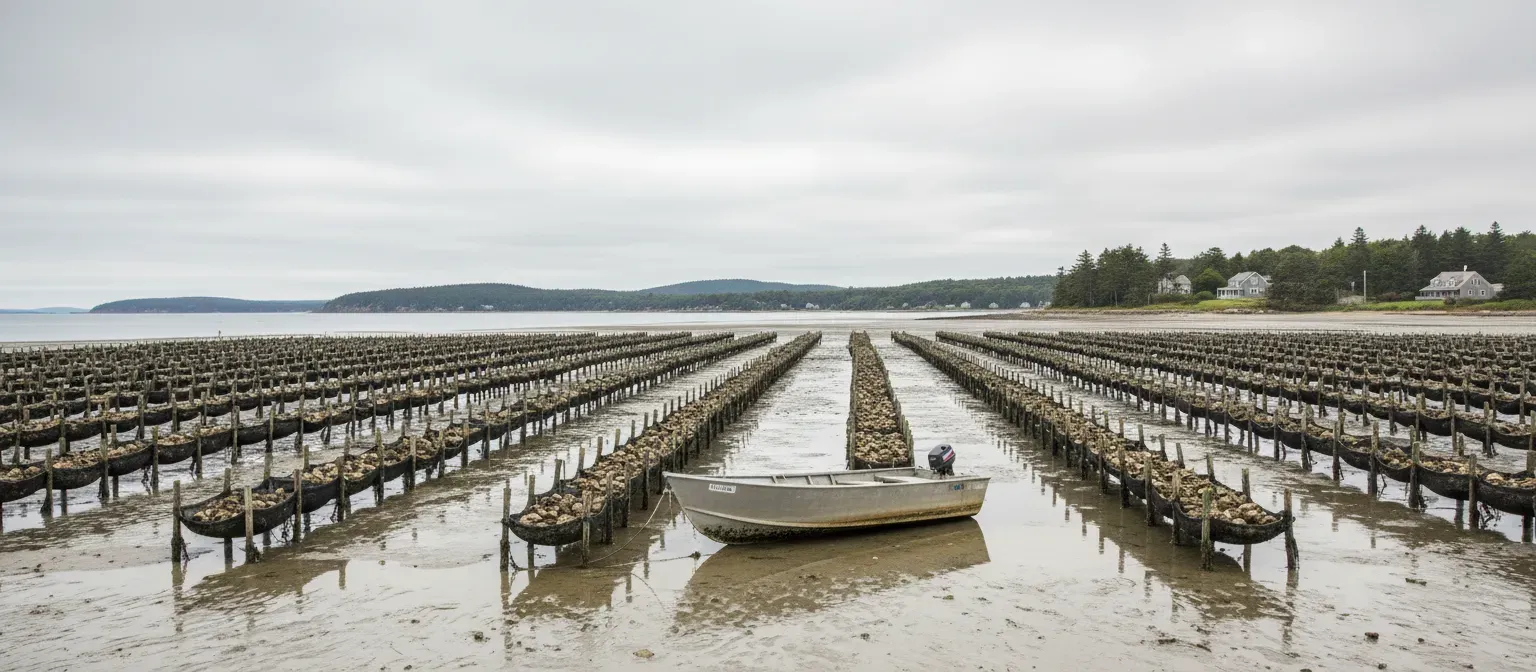
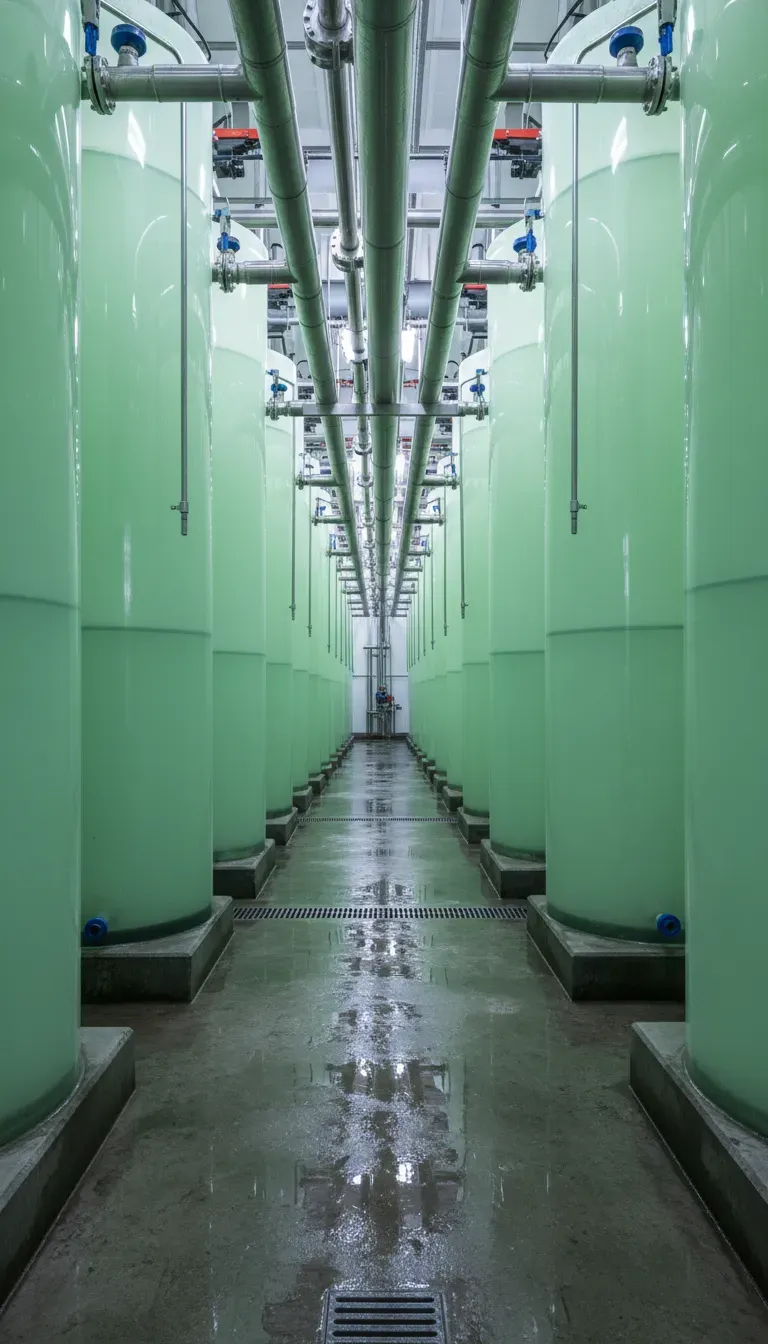
The structure
What each slide is doing, so you can reuse the order even with different content.
- Slide 1cover
- One line on what the business is, in the words a non specialist angel will use.
- Slide 2content
- The customer and their problem, stated as ten specifics rather than one generality.
- Slide 3pillars
- The solution and, because angels ask, exactly what is protectable about it.
- Slide 4pillars
- Features tied to the benefit each one produces for a grower, in four groups.
- Slide 5pricing
- The unit economics of a single sale, which is what an angel group asks for first.
- Slide 6metrics
- The market and how we reach it, sized by the growers we can physically deliver to.
- Slide 7comparison
- The competition as a matrix, with the barriers to entry named in the last row.
- Slide 8metrics
- Four years of projections with the assumption behind each one written on the slide.
- Slide 9framework
- The people and the advisors, each with the specific gap they were brought in to fill.
- Slide 10timeline
- The build plan, the next funding need and the exit window, on one line together.
- Slide 11framework
- The risks, volunteered rather than waited for, sorted by what we would actually do.
- Slide 12investment
- The terms and the closing date, which an angel group expects the founder to set.
What makes this deck work
The projections show their assumptions
Four years of revenue split by product line, with the number that drives it printed on the card beside the chart: 700 million seed a year, which needs the second tank hall this round pays for. Angels fund the assumption, not the total.
It volunteers what could go wrong
A risk matrix with a single site, a disease event and a founder who holds every customer relationship all sitting in the mitigate quadrant. Naming your own weak points before the room does is the fastest way to earn the diligence meeting.
The terms are on the slide
Amount, pre money, post money, minimum ticket, one board seat and a closing date. An angel group expects the founder to price the round, so leaving it to the conversation reads as either evasive or unprepared.
Questions people ask
How is an angel pitch different from a VC pitch?
You set the terms rather than receive them, you volunteer the risks, you show financial projections with the assumptions behind them, and you say what a realistic exit looks like. Tech Coast Angels asks for all four in its published outline.
How many slides and how long?
Twelve slides and about twelve minutes, then roughly the same again in questions. Most angel groups run a screening slot of ten to fifteen minutes with equal question time, so the answers matter as much as the deck.
Do I need an exit slide?
Yes. Angel groups look for a path to a meaningful return and expect named comparable acquisitions and a realistic multiple range. This deck puts the exit window on the same timeline as the build plan rather than on its own slide.
Should I send this deck or present it?
Both, but not the same file. Keep a spare version for the room and a denser version to email, plus a one page summary, because that page is what members forward to each other between meetings.
What should the risk slide list?
The risks the group would raise anyway, sorted by what the company would do about each one. Slide eleven volunteers them rather than waiting for the question, which is the difference between a founder who has thought about the downside and one who has not. Naming a risk with no response beside it is worse than leaving it off.
Do angels expect to see advisors on the team slide?
Yes, and they read them closely. Slide nine names each advisor with the specific gap they were brought in to fill, rather than listing well known people for credibility. An angel group will ask what each advisor actually does inside the business, so the slide answers that before the question arrives in the room.
Build your own in about a minute
The button below opens the generator with this use case already described. Change the wording to match your own, generate, then edit anything you like.
Make one like thisOther presentation examples
Seed pitch deck
A seed round for Clearwell, an invented American company that posts you a water test kit and then sells you the filter your result actually calls for. The slide order follows the template Y Combinator publishes rather than the corporate pitch order: problem, solution, then the growth curve on slide four, a second metrics slide, and the one non obvious belief the whole business rests on.
Pre seed pitch deck
A complete pre seed round for Burrow, an invented veterinary software company with a prototype, three unpaid design partners and no revenue at all. It is built the way pre seed decks are actually built rather than as a shrunken seed deck: the founders arrive on slide two because at this stage the founders are the investment, and the traction chart is replaced by the evidence a pre revenue company can honestly show.
Demo day pitch deck
Five minutes on a stage, in front of several hundred investors, most of them standing at the back. This is a demo day pitch for Kestrel, an invented company that puts a camera above an injection moulding press and stops the machine when it starts making scrap. Eight slides, no screenshots, no video, and the revenue on slide two rather than slide seven.
Want the steps in the builder? Read Make a pitch presentation with AI, then Export a presentation to PowerPoint or PDF. For everything this generator can do, see the presentation maker.
Written and checked by the OneCraft team. Last checked .