The Wend Recovery Appeal

Nonprofit fundraising deck

A twelve slide appeal from Riverkeep, an invented Somerset charity restoring a chalk river, addressed to one named trust rather than to a general audience. It is built the way fundraising consultants build a case for support: one person before any statistic, the need with its sources, seventeen years of track record as a table, then the cost of a single kilometre and a gift table that lets a donor choose their own level.

Create a presentation with OneCraft12 slides, read in order

Every slide, in order

The whole deck as it renders, one slide after another. Read it the way the audience would.
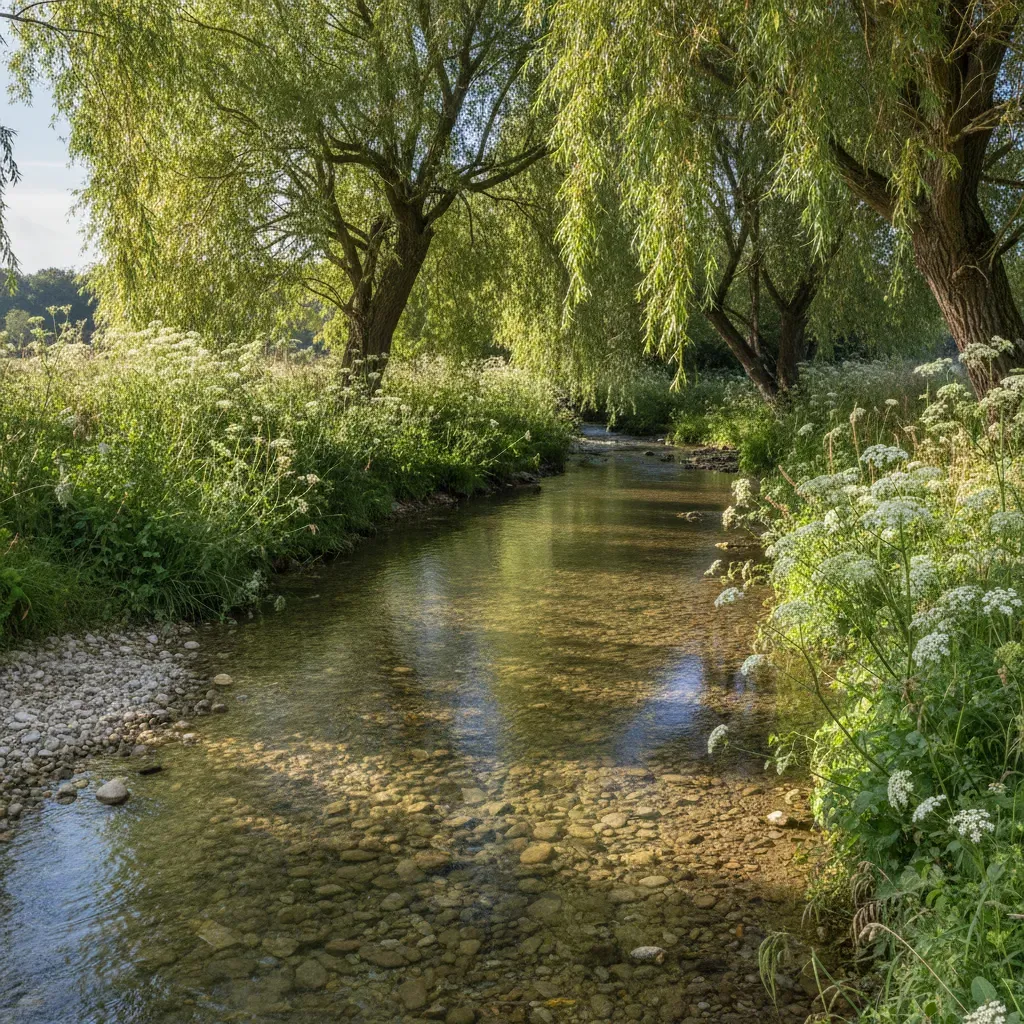
Photograph of a small English chalk river in late summer, clear shallow water over pale gravel, overhanging willow and cow parsley on the bank, soft afternoon light, calm documentary style, vertical composition, the scene fills the frame edge to edge, no people, no text, no logos

PREPARED FOR THE HOLBROOK TRUST

The Wend Recovery Appeal

Twenty nine kilometres of river, and three years to do it

RIVERKEEP · SOMERSET · SEPTEMBER 2026

Slide 1 · cover · Names the appeal and the river, addressed to one donor rather than to a general audience.
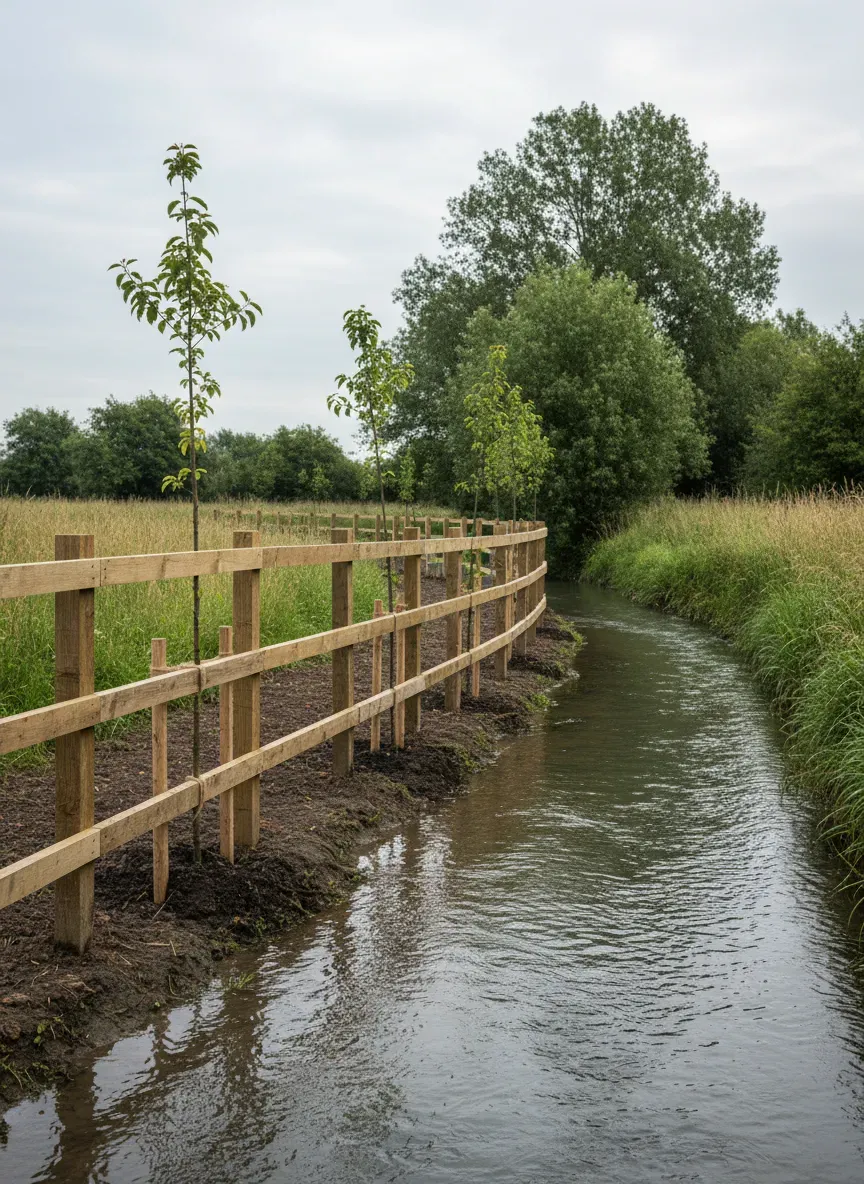
Photograph of a riverside fence and newly planted young trees beside a shallow English river

ONE FARM

Bryn Tallis fenced his own riverbank

Bryn Tallis milks 140 cows on eighty hectares at Lower Ford, and the Wend runs through the middle of it. For thirty years his herd drank straight from the river, because that is what the yard was built around and no advisor had ever suggested otherwise.

In 2023 he let us fence 900 metres of bank, move the drinking to two troughs and plant a six metre buffer strip. It cost him three days of work and a summer of scepticism from his neighbours.

The stretch below his farm now carries wild trout fry for the first time since our records begin. Bryn has since talked four other farmers into doing the same thing, which is more than our staff managed in the same period.

Lower Ford, upper Wend. Fry survey, Riverkeep and the Environment Agency, June 2026.

02

Slide 2 · content · Opens with one named person and no statistics, which is how a case for support earns attention.

THE NEED

What the Wend looks like now

11 of 14

Stretches failing

Monitored stretches of the Wend that do not reach good ecological status, unchanged since 2019.

62%

Fewer wild trout

Decline in wild brown trout counts on the upper Wend since surveys began in 2005.

68%

From farm runoff

Share of the phosphate load in the catchment that reaches the river from agricultural land.

03

Slide 3 · metrics · The scale of the need in three sourced numbers, placed after the story rather than before it.

WHO WE ARE

Riverkeep exists to make the Wend a river that holds wild trout, absorbs a flood and is safe to swim in. Not a nature reserve. A working catchment that a farmer can still farm.

FOUR THINGS WE DO

Fence and buffer

We pay for and install riverside fencing, troughs and buffer planting on farms that agree to keep it.

Rebuild the bed

We put gravel and woody debris back into straightened stretches so the river cleans itself again.

Advise farms

Two advisors work directly with farmers on slurry, tracks and yard runoff, free and confidential.

Measure everything

Fourteen monitoring points sampled monthly, published in full whether the numbers are good or not.

04

Slide 4 · intro · Mission and vision in one statement, with the four things Riverkeep actually does underneath.

The four programmes this appeal pays for

Riverside fencing

Stock fencing, gates, hardened crossings and drinking troughs, so cattle stop standing in the river. This is the single change with the fastest measurable effect on phosphate.

Buffer planting

Six metre planted strips between the field and the bank. They intercept runoff, shade the water against warming and hold the bank together in a flood.

In channel works

Gravel reintroduction and woody debris in the eleven kilometres that were straightened for drainage in the 1970s. The river regrades itself once it has something to work with.

Farm advisory

Two advisors, free to the farmer and confidential. Fencing without advice gets removed within five years, which we learned the expensive way between 2014 and 2018.

05

Slide 5 · checklist · The four programmes, described so a funder can see what their money would sit inside.

TRACK RECORD

What we have done so far

Objective
Key Result
Progress
Status
Restore the river
Kilometres of the 41 km Wend completed
12 km
29%
Get farms signed
Of the 76 farms holding riverbank land
31 farms
41%
Plant the banks
Against a catchment plan of 40,000 trees
18,000
45%
Cut phosphate
Monitoring points falling three years running
9 of 14
64%
Keep volunteers
Hours given last year against a 5,000 target
4,100
82%
Riverkeep has worked on the Wend since 2009. Six staff, 340 volunteers, one catchment.

06

Slide 6 · metrics · Seventeen years of track record, stated as five measures rather than as adjectives.

WHY NOW

The Wessex Rivers Trust will match every pound given to this appeal, up to £250,000, until 31 March 2027. After that date the offer is gone and the work costs twice as much to fund.

The match

A pound today is worth two. £250,000 of the £790,000 still to raise can be doubled before the end of March.

The window

In channel works are only permitted between June and September. Missing 2027 pushes eleven kilometres into 2029.

The farms

Nine farms have signed agreements and are waiting for fencing. Agreements lapse after eighteen months unsigned.

07

Slide 7 · intro · Why the appeal has to happen now, which is the hardest question a major donor asks.

THE PROJECT

Three years, twenty nine kilometres

Phase
Duration
Key Activities
Deliverables
Year one
Apr 2027 to Mar 2028
Fencing and troughs on the nine waiting farms, buffer planting on 11 km
11 km fenced, 9,000 trees, 9 agreements activated
Year two
Apr 2028 to Mar 2029
Gravel and woody debris in the straightened middle Wend, plus 8 km of fencing
11 km of channel rebuilt, 8 km fenced, 6,000 trees
Year three
Apr 2029 to Mar 2030
Final 10 km, farm advisory across the whole catchment, three year monitoring report
29 km complete, 14 points resampled, report published
Works in the channel are permitted only between June and September in each year.

08

Slide 8 · timeline · The project itself, phased, so a funder can see what is bought in which year.

What it costs

A restored kilometre of the Wend costs £48,000, and there are 29 kilometres left.

£1.4M

over three years, of which £790,000 is still to raise

£820K

Field works

Fencing, troughs, crossings, tree stock and the gravel and timber that goes back into the channel.

£340K

Farm advisory

Two advisors for three years. Without them the fencing comes out again, which we have watched happen.

£240K

Monitoring and running costs

Fourteen sampling points, the fry surveys, the published report and eight percent of appeal overhead.

09

Slide 9 · investment · Where the money goes and what one kilometre costs, which is how a donor sizes their gift.

What a gift buys

Four levels, each tied to something you could stand next to. All are doubled by the match until March 2027.

Friend

£1,000

one gift

Two hundred native trees, planted and guarded on one bank

200 trees, guarded

Named in the annual report

Twice yearly water data

Matched to £2,000

Give

Bank

£10,000

one gift

A hundred metres of fenced and planted buffer on a working farm

100 m fenced and planted

A site visit with the team

Named in the annual report

Matched to £20,000

Give

Kilometre

£48,000

over three years

One whole kilometre of the Wend, restored and named on the map

1 km fenced and rebuilt

Named on the catchment map

Annual visit and briefing

Matched to £96,000

Give

Tributary

£250,000

over three years

A whole tributary of the Wend, from the spring to the confluence

A named tributary

A seat on the appeal board

Quarterly reporting

The full match doubled

Talk to us

10

Slide 10 · pricing · The gift table, which has no equivalent in an investor deck and does most of the work here.

AFTERWARDS

What we measure, what you get

What we measure

Phosphate and nitrate at fourteen points, sampled monthly and published in full.

Wild trout fry counts on eleven reaches, surveyed every June with the Environment Agency.

Kilometres fenced, planted and rebuilt, counted against the plan rather than against ambition.

Farm agreements still in force at year five, which is the number that tells us whether it lasted.

Invertebrate scores, because they move before the fish do and they are cheap to count.

What you get

A written report each March, with the figures above and an honest account of what missed.

A visit to your own reach with the advisor who works it, at whatever time of year suits you.

The raw monitoring data twice a year, in the same spreadsheet our own team uses.

Named on the catchment map at Kilometre level and above, unless you would rather not be.

A call from Riverkeep before anything goes wrong publicly, not afterwards.

11

Slide 11 · content · What we will measure and what the donor actually receives, committed to in writing.

The ask

We are asking the Holbrook Trust to consider £250,000 over three years, at the Tributary level, and to confirm before 31 March 2027 so it is doubled.

Appeal director

mairead@riverkeep.example

Direct line

01823 555 0114

Come and see it

Lower Ford, any Tuesday

12

Slide 12 · closing · One person, one number and one date, which is what a solicitation meeting ends on.

The structure

What each slide is doing, so you can reuse the order even with different content.

Slide 1cover
Names the appeal and the river, addressed to one donor rather than to a general audience.
Slide 2content
Opens with one named person and no statistics, which is how a case for support earns attention.
Slide 3metrics
The scale of the need in three sourced numbers, placed after the story rather than before it.
Slide 4intro
Mission and vision in one statement, with the four things Riverkeep actually does underneath.
Slide 5checklist
The four programmes, described so a funder can see what their money would sit inside.
Slide 6metrics
Seventeen years of track record, stated as five measures rather than as adjectives.
Slide 7intro
Why the appeal has to happen now, which is the hardest question a major donor asks.
Slide 8timeline
The project itself, phased, so a funder can see what is bought in which year.
Slide 9investment
Where the money goes and what one kilometre costs, which is how a donor sizes their gift.
Slide 10pricing
The gift table, which has no equivalent in an investor deck and does most of the work here.
Slide 11content
What we will measure and what the donor actually receives, committed to in writing.
Slide 12closing
One person, one number and one date, which is what a solicitation meeting ends on.

What makes this deck work

One farmer, before any number

Slide two is 900 metres of fence on one farm and the four neighbours he then talked into it. Statistics arrive on slide three, once somebody already cares who they are about.

Every gift is tied to something physical

Two hundred trees, a hundred metres of buffer, one kilometre, one tributary. A gift table works when a donor can picture what their level buys and can stand next to it afterwards.

It commits to reporting in writing

What we measure sits beside what you receive: a written report each March, the raw data twice a year, and a call before anything goes wrong publicly. That commitment is what distinguishes a major gift ask from a pitch.

Questions people ask

What goes in a nonprofit fundraising deck?

A single story, the need with sources, your mission, your programmes, a track record, why now, the project the money buys, a use of funds breakdown, a gift table, your reporting commitment and one specific ask.

How is this different from an investor pitch deck?

There is no market size, no growth curve and no exit. Cost per outcome replaces unit economics, financials appear as proof of trust rather than proof of growth, and the deck ends on a gift table rather than a valuation.

What is a gift table and do I need one?

A ladder of giving levels, each tied to what it funds. It lets a donor self select rather than be negotiated with, and it quietly raises sights: most people give at the level above the one they expected to.

How many slides should a nonprofit fundraising deck have?

Ten to fifteen slides for a face to face visit, with financials, the logic model and evaluation detail in an appendix. Foundation versions run longer. Corporate partnership versions are often six pages.

Build your own in about a minute

The button below opens the generator with this use case already described. Change the wording to match your own, generate, then edit anything you like.

Make my nonprofit fundraising deck

Other presentation examples

Want the steps in the builder? Read Make a presentation with AI, then export it to PowerPoint or PDF. For everything this generator can do, see the presentation maker.