3 finished designs
Product launch flyer
Bellbird Pantry has one carton to introduce and two very different audiences to introduce it to. A cafe owner wants to know whether it splits at 65 degrees. A shopper wants to know what is in it. The three flyers here split that job: an editorial poster with a single claim, a range sheet that lays out four lines for a buyer, and a page that walks through the three blocks on the back of the pack.
The 3 designs
The same business laid out three ways, on three templates and three colour themes. Every price, name and time on these was written for this example, so you can judge the layouts on real content rather than placeholder text.
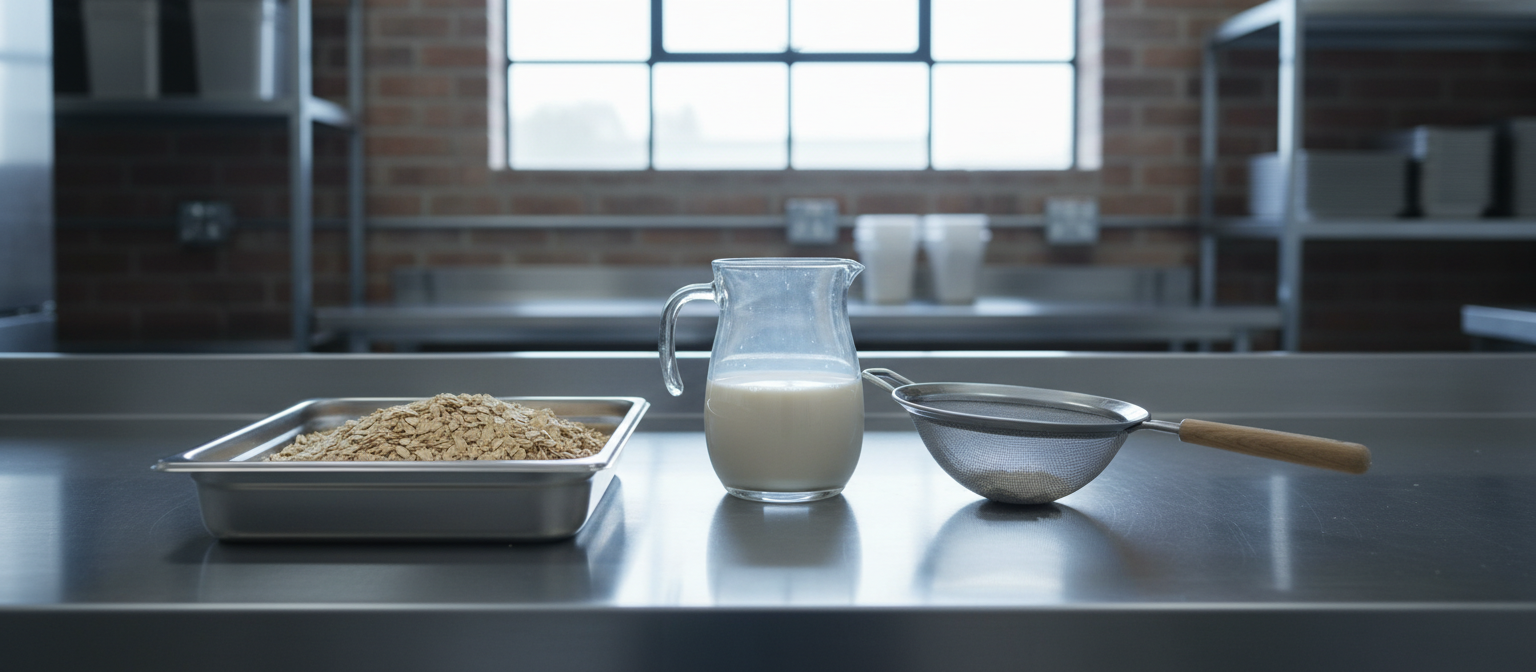
Editorial launch poster
Bellbird Pantry Oat Milk Launch
Also native at A4 Landscape, Instagram Post, Instagram Story, Facebook Post, LinkedIn Post, Facebook Cover, Twitter Header
Label and allergen explainer
Bellbird Pantry Label Explainer
Also native at A4 Landscape, Instagram Post, Instagram Story, Facebook Post, LinkedIn Post, Facebook Cover, Twitter Header
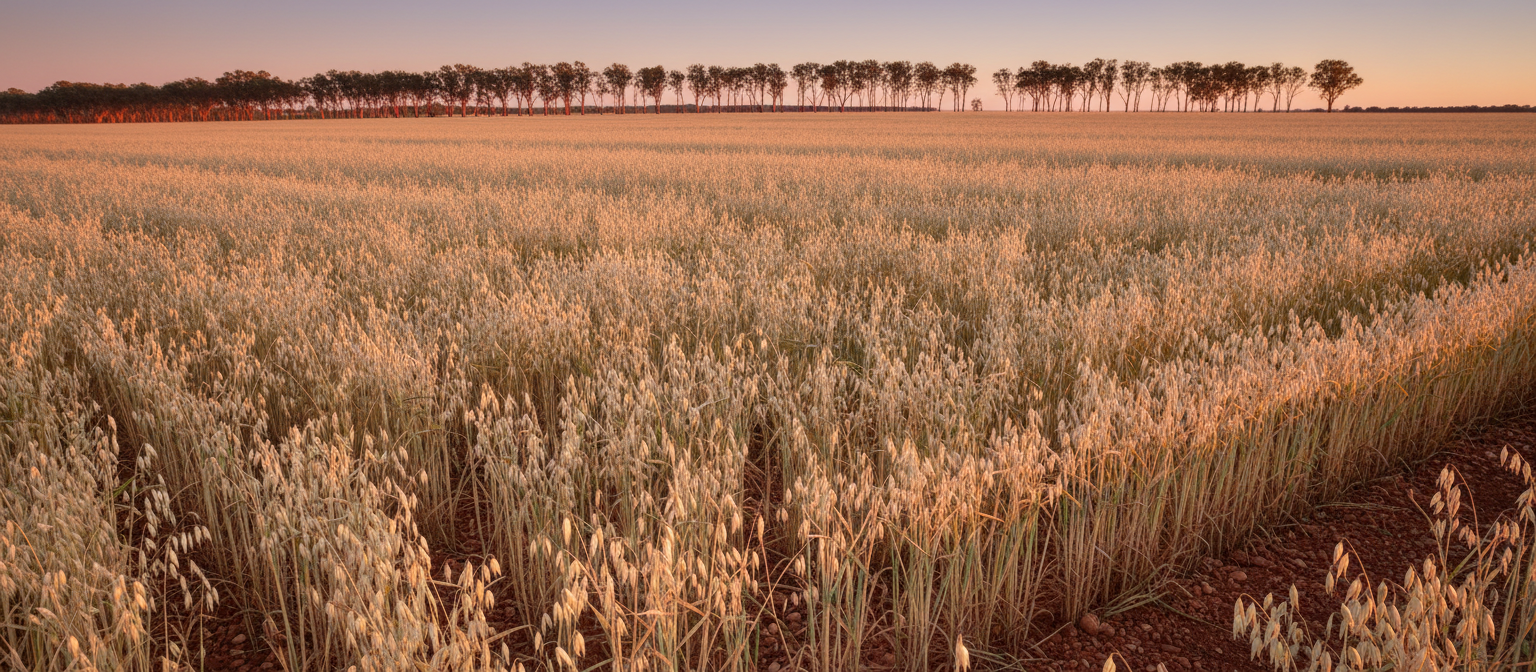
Photo band and range sheet
Bellbird Pantry Launch Range Sheet
Also native at A4 Landscape, Instagram Post, Instagram Story, Facebook Post, LinkedIn Post, Facebook Cover, Twitter Header
What makes these work
The poster makes one claim and names its test
Steams to 65 degrees without splitting. That is a claim a cafe can falsify in ninety seconds behind its own machine, which is the only kind worth putting on a launch poster. The three numbered columns underneath carry the ingredients, the allergen and the origin, and nothing else.
The range sheet is written for a buyer, not a shopper
Three badges for the retail cartons, then a block for the foodservice case, in the order a wholesale order form asks for them. A buyer can price a case and decide on shelf space without a phone call, and the case card is named because the venue’s own staff need the allergen wording too.
The third flyer explains the pack rather than the brand
Three cards for the three mandatory blocks: the bold allergen declaration, the nutrition information panel, and the country of origin mark. Very few launch flyers show the back of the box, and the ones that do are the ones a buyer keeps.
Questions people ask
Do oats have to be declared as an allergen?
Yes. Oats are one of the cereals containing gluten named in the food standard, alongside barley and rye, with wheat declared separately. Under plain English allergen labelling the required name appears in bold in the ingredient list and again in a statement that starts with the word Contains and carries nothing else. The transition ended in February 2024 and the stock in trade window closed in February 2026.
What is the difference between Product of Australia and Made in Australia?
Product of Australia means every significant ingredient came from Australia and all, or virtually all, of the processing happened here. Made in Australia is the weaker claim and means the goods were last substantially transformed here, so they are fundamentally different in nature from the imported inputs. A brand pressing Australian oats with imported salt uses the second one and states a percentage.
Does a launch flyer need the country of origin mark?
The mark belongs on the pack, not the flyer. Oat milk is a priority food, so the carton needs the kangaroo in a triangle, a bar chart and a minimum percentage by ingoing weight. Repeating that on the flyer is optional, and worth doing, because the claim on the poster and the claim on the label being different is the fastest way to lose a wholesale account.
How early should a launch flyer go out?
Early enough that a buyer can list the product before the first pallet lands, and late enough that the ship date on it is real. These flyers name 6 October as the day cartons move, which gives a cafe time to clear fridge space and gives the brand a date it has to hit or explain.
Which design suits a distributor pack?
The range design, because it is a corporate layout built to carry several products and the trading detail around them. The launch design is the one for consumers and the label design explains the pack. A buyer at a wholesaler wants the range, the sizes and who to call, not the brand story.
What size works for a trade show handout?
A4 portrait, which all three of these are, or A4 Landscape if it is going in a folder with a spec sheet. Both are native sizes here, so switching means adding a page and letting the design swap rather than scaling a portrait file sideways.
Build your own in about a minute
The button below opens the generator with this use case already described. Change the wording to match your own, generate, then edit anything you like.
Make one like thisOther flyer examples
App launch flyer
Paddock Run maps roadside stalls and farm gates and shows only the ones a grower has marked open in the past day. Its launch flyers avoid the two things app posters usually do, which are showing a screenshot nobody can read at arm’s length and promising a feature list. Instead: one flyer explains the rule that makes the map trustworthy, one announces the release, and one lists in order every piece of data the app asks for.
Cafe menu flyer
A cafe menu flyer puts every dish, its whole price, the opening hours and the address on one page that a customer can read from the door. These three examples do that for one imaginary cafe, Fern & Fig at 9 Fenwick Lane, open 7am to 3pm every day. The full menu lists twelve lines in one table, eight dishes and four drinks, from a $4.50 batch brew to green shakshuka at $19. The specials board pulls four of those dishes onto a photo grid for the week, at the same prices. The set menu sheet turns the same kitchen into three per person packages for tables of eight or more: Morning at $32, Long Lunch at $55 and Catering at $28 a head.
Fathers Day flyer
Three Fathers Day flyers for a Newcastle barbecue shop, all three carrying the date and a price. The poster puts the entry bundle and the biggest saving on the page, the grid photographs four gifts from $49 to $139 for everyone not buying a barbecue, and the third sheet lists what is inside each of the three bundles.
Want the steps in the builder? Read Create a flyer for Instagram and print, then Resize one flyer for every social size. For everything this generator can do, see the flyer maker.
Written and checked by the OneCraft team. Last checked .