3 finished designs
Solar installer flyer with system sizes, prices and payback
A solar installer flyer is read by people doing sums, so it has to give them the three numbers they need: the system size, the price after the rebate and roughly how long it takes to pay back. These three designs for Sunquill Solar, a fictional Canberra installer, lead with a 6.6 kW system from $4,990 and price two larger sizes beside it.
The 3 designs
The same business laid out three ways, on three templates and three colour themes. Every price, name and time on these was written for this example, so you can judge the layouts on real content rather than placeholder text.
System sizes and saving
6.6 kW Solar $4,990 After Rebate
Also native at A4 Landscape, Instagram Post, Instagram Story, Facebook Post, LinkedIn Post, Facebook Cover, Twitter Header
Customer quote and prices
A Kambah Customer on Their 6.6 kW System
Also native at A4 Landscape, Instagram Post, Instagram Story, Facebook Post, LinkedIn Post, Facebook Cover, Twitter Header
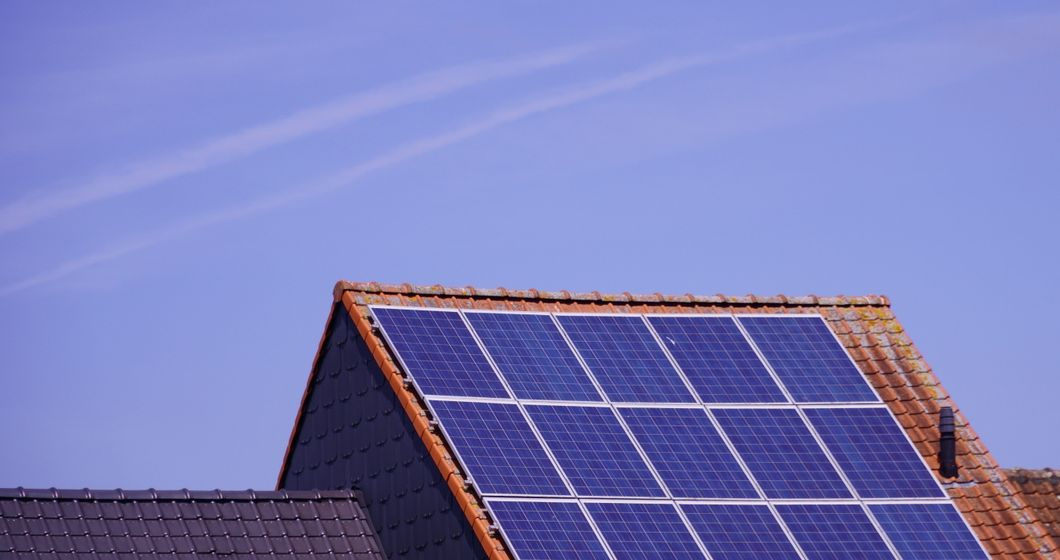
Roof photo and three sizes
6.6 kW System From $4,990
Also native at A4 Landscape, Instagram Post, Instagram Story, Facebook Post, LinkedIn Post, Facebook Cover, Twitter Header
The three designs
The system sizes and saving design is the most detailed: "6.6 kW SOLAR" in a large gradient block, the price after rebate, four lines on panels, accreditation, battery readiness and monitoring, then a column on prices and payback and a "$1,400 a year" callout. It suits a letterbox drop in suburbs with big north facing roofs. The customer quote design centres a short testimonial with five stars, the customer's suburb and system, and a strip of the three prices, which works on Facebook where neighbours read each other's comments. The roof photo design shows panels on a terracotta roof under the headline, with three rows for the system sizes, and is the one for Instagram and a display at a home show.
What this flyer must carry
System sizes and prices with "after rebate" spelled out, an estimated saving with its assumption, the warranty (25 years on panel performance), the accreditation line, the battery option and the area (Canberra and region). The rebate comes from small scale technology certificates under the federal Small scale Renewable Energy Scheme, and to create them the system must be designed and installed by an accredited installer, so the flyer says "SAA accredited". Batteries may also attract a federal discount, which the flyer leaves to the quote because the amount changes.
How to adapt this flyer
For a battery retrofit installer, use the roof photo design with a battery photo and three battery capacities, and make the federal battery program the headline only after checking current amounts. For a commercial solar business, the system design works with 30 kW and 100 kW systems and a payback in years for a business tariff. For a solar panel cleaning and maintenance service, use the quote design with a customer whose output recovered after cleaning, since that service is sold on lost production.
What makes these work
Three sizes, three prices, one unit
6.6 kW from $4,990, 10 kW from $6,990 and 13.2 kW from $8,490 appear on every design, all after the federal small scale rebate and including GST. Listing sizes in kilowatts lets a reader match the system to their bill, and stating "after rebate" stops the price looking too good to be true.
The saving is labelled as an estimate
The system design says a 6.6 kW system in Canberra makes about 9,500 kWh a year and "used well" saves an estimated $1,400, with payback in under four years. Solar savings depend on how much power is used during the day, so presenting the figure as an estimate with its assumption is both honest and more convincing.
A customer voice, clearly attributed
The quote design gives the page to a customer in Kambah whose first quarterly bill dropped by $340, with the system size and install month under the name. For solar, a neighbour's result is more persuasive than any claim, as long as it is real, so a flyer like this should only ever use a genuine customer with permission.
Questions people ask
What does "after rebate" mean on a solar flyer?
It means the price already subtracts the value of small scale technology certificates created under the federal Small scale Renewable Energy Scheme, which installers usually claim on the customer's behalf. The flyer should say so plainly, as these do, because the certificate value changes over time and a customer comparing quotes needs to know which prices include it.
Should a solar flyer promise a yearly saving?
Only as an estimate with its assumption. Savings depend on the tariff, how much power is used during daylight and the roof orientation. Sunquill says a 6.6 kW system in Canberra makes about 9,500 kWh a year and estimates $1,400 off bills if used well. A flat promise of a dollar saving invites complaints.
Can I put customer reviews on a solar flyer?
Yes, if they are genuine, from a real customer, used with permission and not edited to change their meaning. Australian consumer law treats fake or selectively edited testimonials as misleading. The quote on this example is fictional, written for a fictional business; a real flyer should quote a real customer.
How do I show the system sizes clearly on one page?
Use a design with a list or row slot so each size gets the same layout, as the roof photo design does with three rows. Keep each row to the size and the price; details belong on the quote. The system design adds a column with all three in one sentence for readers who skip the rows.
Which solar design works best as an Instagram post?
The roof photo design, because panels on a real roof are recognisable in a feed. It has a native Instagram post version at 1080 by 1080, so switching size swaps in the square layout and keeps the headline and rows. Trim the rows to two if the square version feels crowded.
Build your own in about a minute
The button below opens the generator with this use case already described. Change the wording to match your own, generate, then edit anything you like.
Make one like thisOther flyer examples
Carpenter flyer for decks, pergolas and built ins
A carpenter flyer sells a project the reader has been imagining for months, so it should show that the imagining can happen before any money is spent. These three designs for Myrtlebeam Carpentry, a fictional two carpenter business in Moonah, Hobart, offer a 3D sketch before you commit and print a starting price for decks and pergolas.
Tree removal flyer example for an arborist in the Blue Mountains
A tree removal flyer has to tell a worried homeowner three things fast: someone qualified can come after the storm, the quote is free and written, and the business carries enough insurance to work beside a house. These three designs for Cragwattle Tree Services, a fictional arborist in Katoomba NSW, put storm work, stump grinding at $150 a stump and $20 million public liability on the page before anything else.
Cabinet maker flyer for kitchens and wardrobes in Launceston
A cabinet maker flyer works when it turns "custom kitchen" into a number, a lead time and a finish someone can picture. These three designs for Huonwright Cabinets, a fictional Launceston workshop, print kitchens from $14,000 installed, a six week lead time and the three door finishes on offer, so a reader can decide whether to visit the showroom before they ring.
Want the steps in the builder? Read Add or replace images in a flyer, then Choose your flyer template, theme and size. For everything this generator can do, see the flyer maker.
Written and checked by the OneCraft team. Last checked .