Industry kit
Tutoring templates for independent tutors and tutoring centres
A tutor finds students, learns what they need, books sessions, agrees terms with the parent and reports progress. This kit links finished examples of the intake form, the booking form, the agreement, the quote, the flyer and the website, written for invented Australian tutors and centres.
Knowing the student before the first lesson
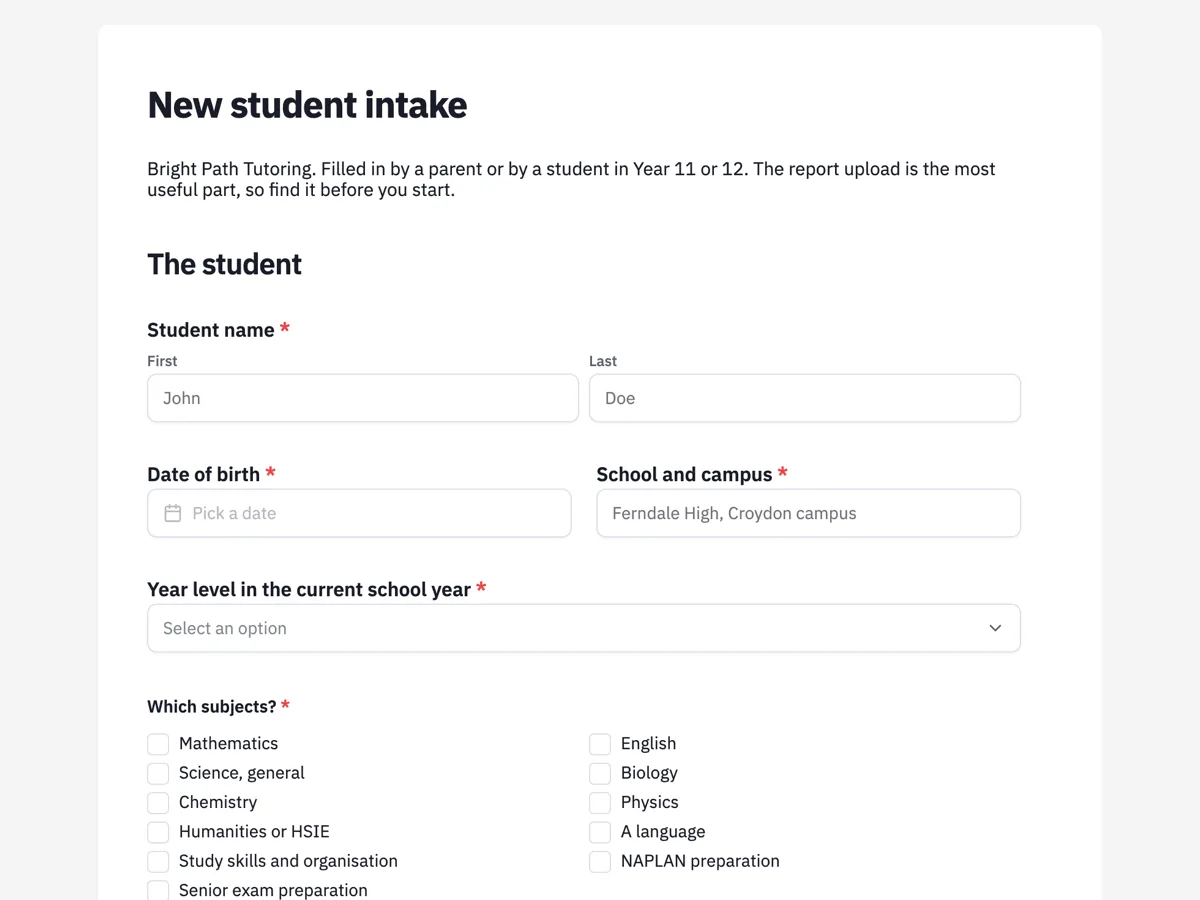
A tutor first session is far better when the tutor already knows the student year level, the subjects and topics that are hard, recent results, any learning needs and what the student and parent want from the term. A short intake form collects that from the parent before the first lesson, often with a few questions for the student as well. It also sets up the practical details: session times, in person or online, and who to send progress reports to. The examples below include intake forms for individual tutors and for centres.
Terms that keep the term running
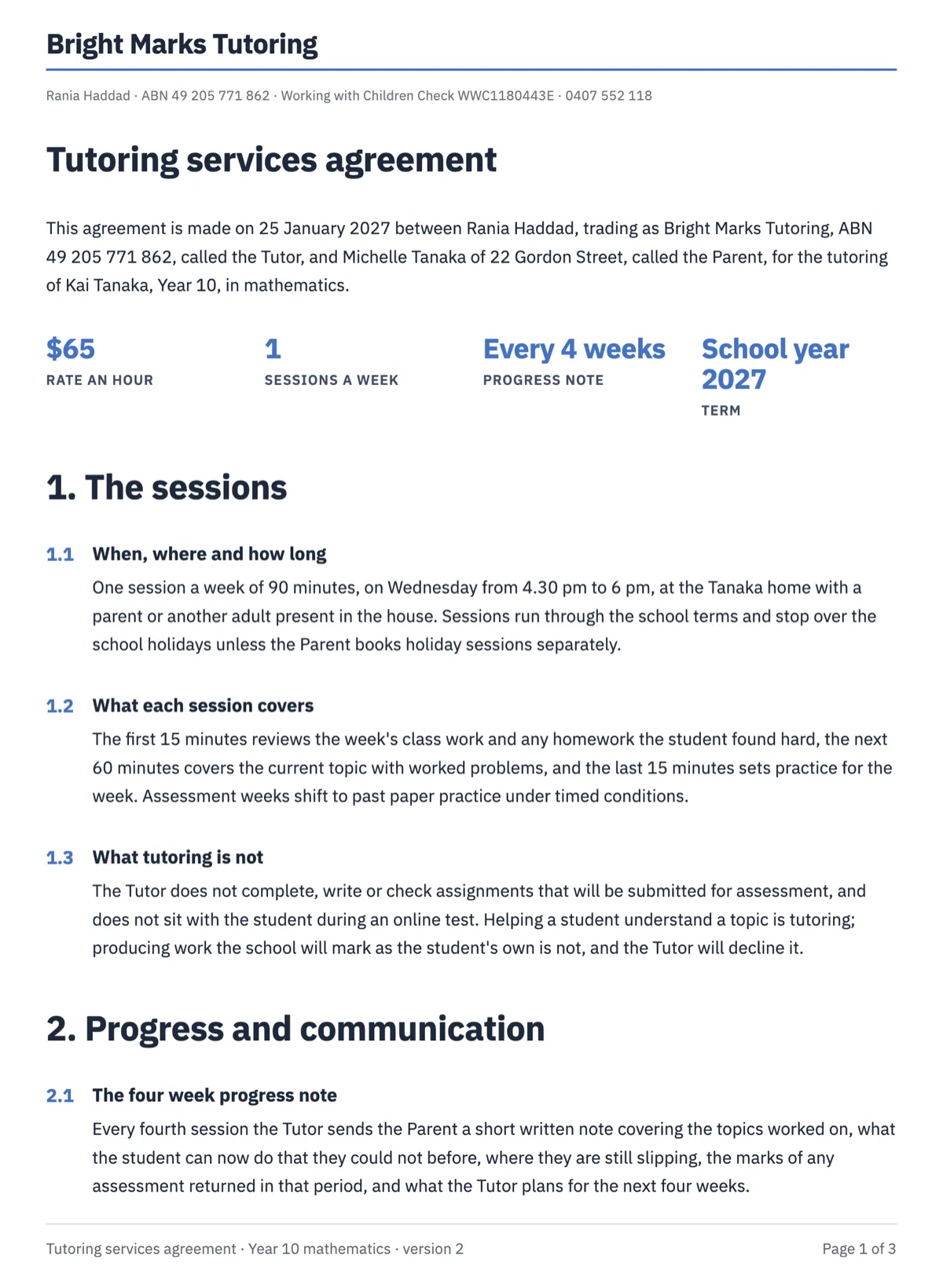
Most tutoring disputes are about cancellations, missed sessions and prepaid terms. A tutoring agreement sets the rate, the number of sessions, whether a term is paid up front, the cancellation notice and what happens to missed sessions. Signing it online before the first lesson means nobody argues in week six. A quote or invoice for the term follows, and a flyer and website bring in the next students through the school holidays and the start of each new term.
Who the kit is for
The kit is written for independent tutors and small tutoring centres in Australia, teaching school subjects in person or online. Anyone tutoring children usually needs a Working with Children Check in their state, and parents increasingly ask to see it. The Australian Curriculum, published by ACARA, is a useful reference for describing year level content in reports. Prices are in dollars, the tutors are invented, and every card opens a complete example rather than an outline, from the intake to the term invoice.
The kit, piece by piece
Student intake form
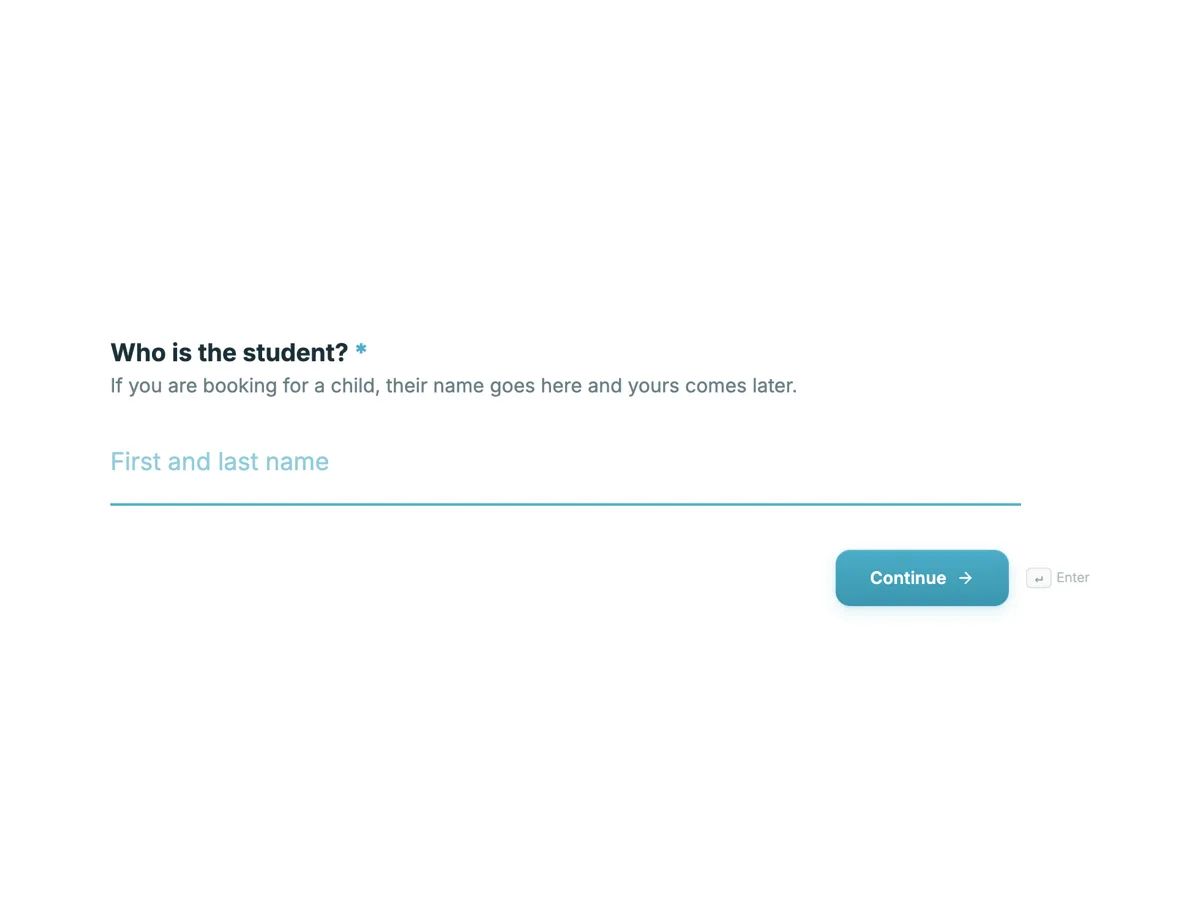
Tutoring intake form that reaches the tutor before the student doesYear level, subjects, hard topics, results, learning needs and goals, completed by the parent.
Session booking form
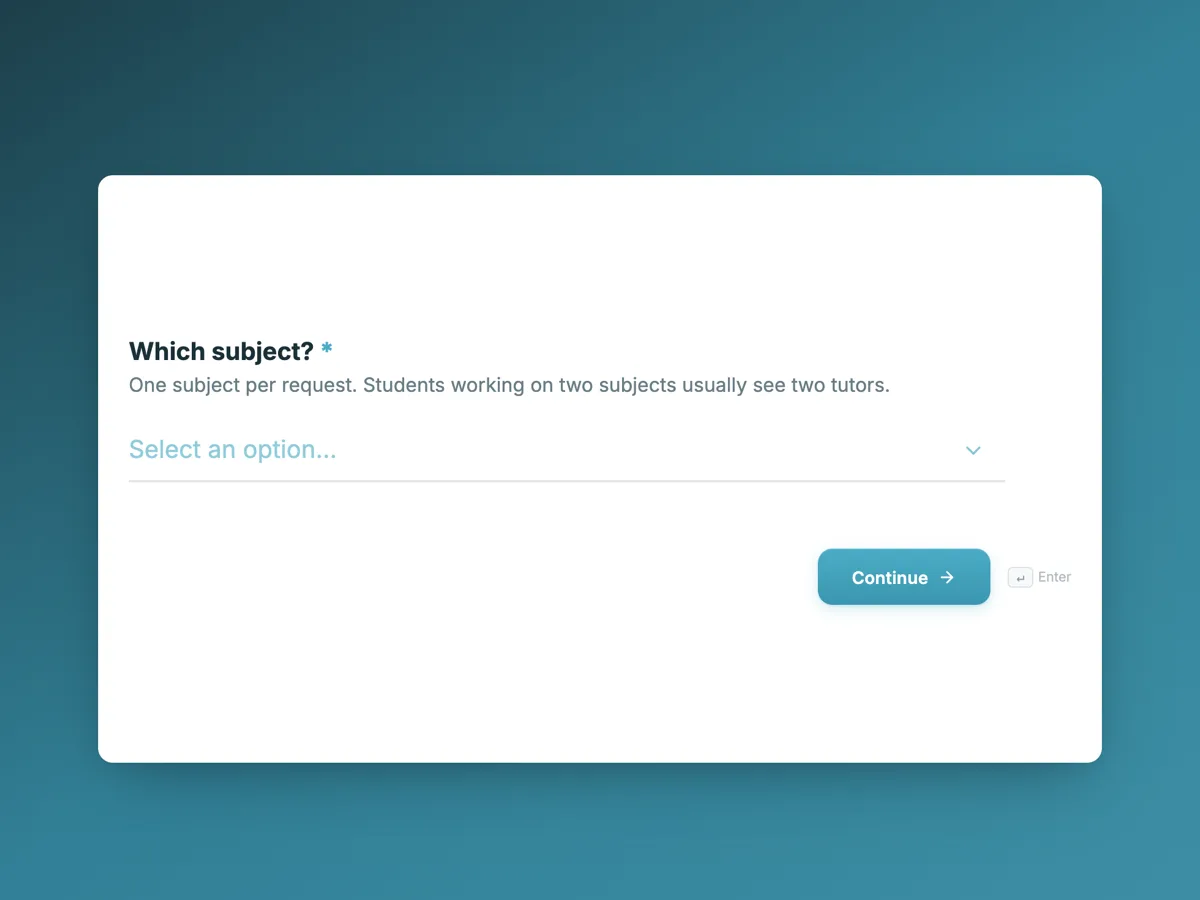
Tutoring session booking form with subject, format and free timesSubject, format and free times, so sessions can be matched to the tutor timetable.
Tutoring agreement
Tutoring agreement template with weekly sessions and progress notesRate, term payment, cancellation notice and missed session rules, in one agreement.
Agreement signing
Sign a tutoring agreement onlineThe tutoring agreement signed online by the parent before the first lesson.
Tutoring flyer
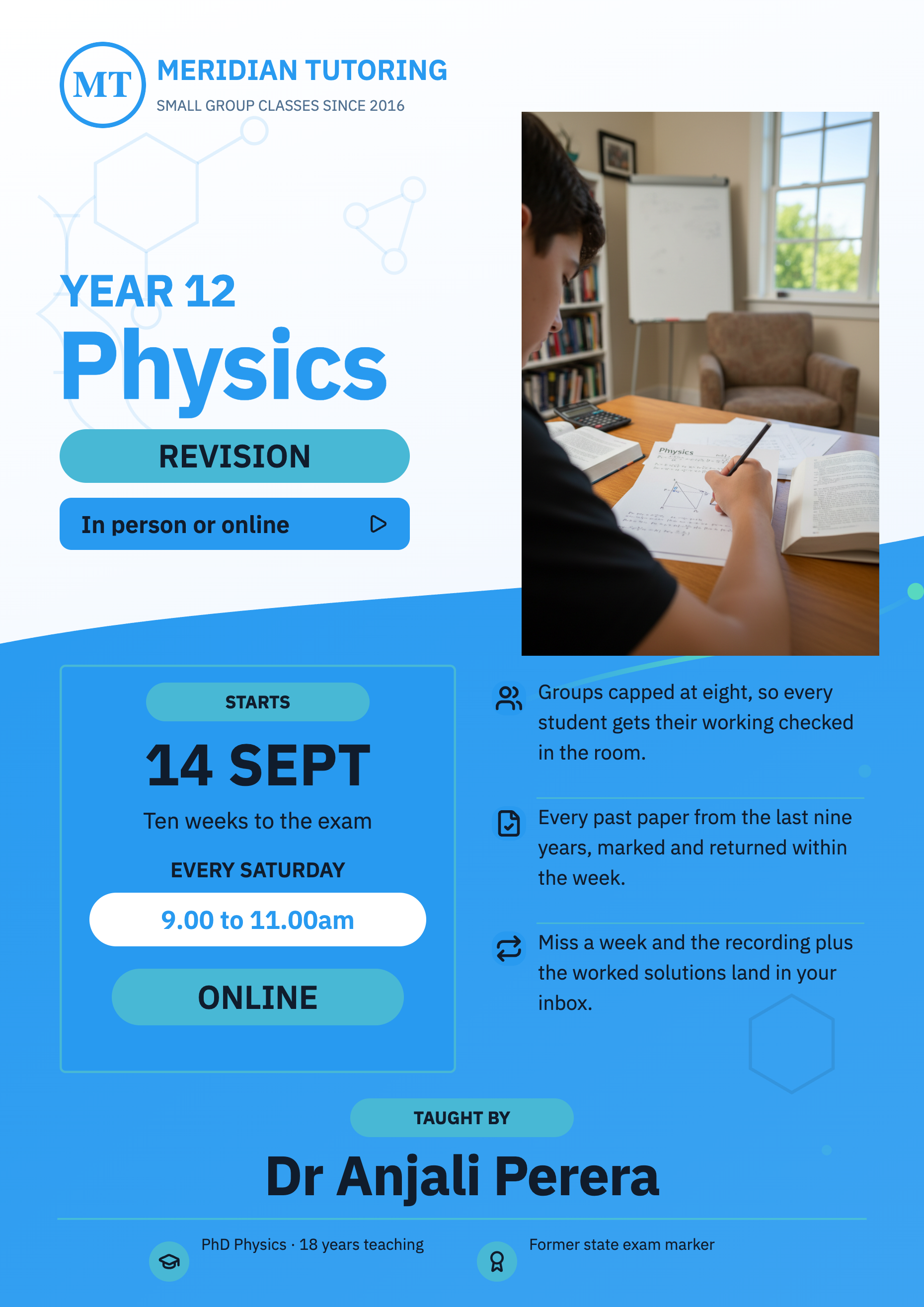
Tutoring and classes flyerA flyer for school noticeboards and letterboxes with subjects, years and the first session offer.
Tutoring website
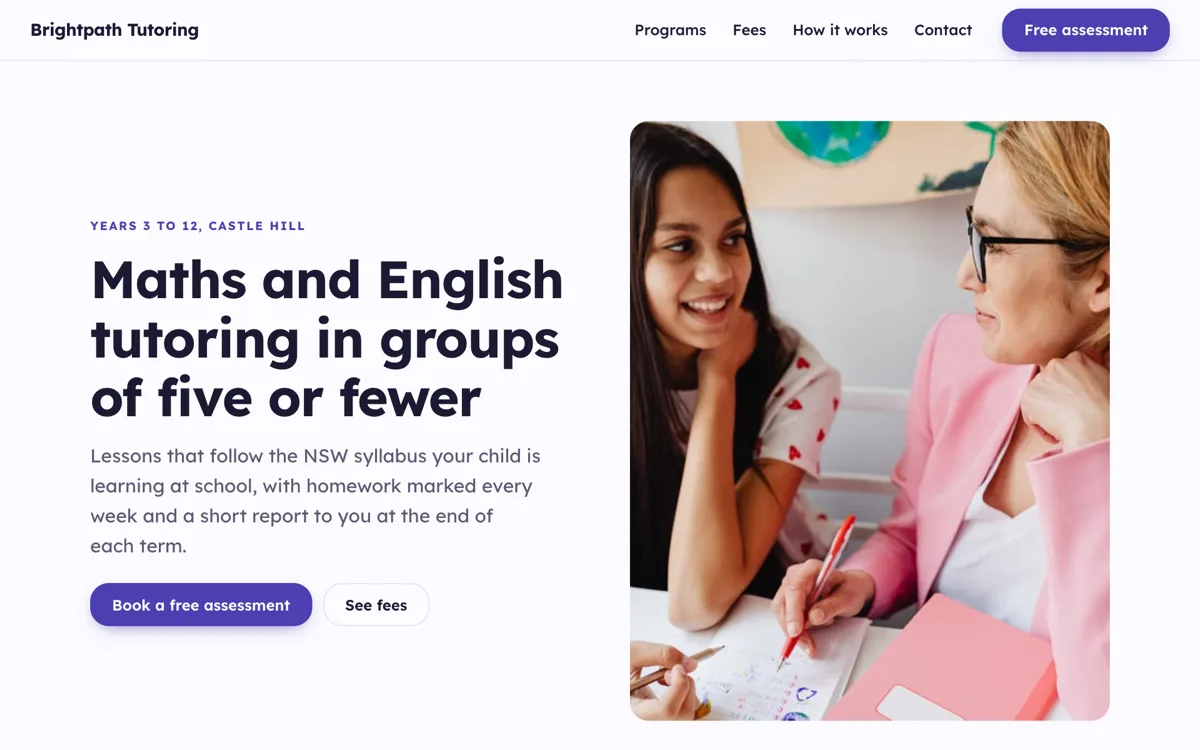
Tutoring website example for a maths and English centreA maths and English tutoring centre website with programs and enrolment, written as code.
Music lesson registration
Music lessons registration form that matches a teacherA registration form that matches a student to a teacher, for music tutors.
Student needs questions
Student needs assessment questions for week oneA question bank for assessing a student needs at the start of a term.

Intake questions that shape the plan
Ask the parent for the year level, school, subjects, specific topics that are hard, recent results or reports, any diagnosed learning needs and the goal for the term, such as passing a test or building confidence. Ask the student one or two questions too, because their answer often differs from the parent. The tutoring intake example in this kit groups these questions so the tutor can plan the first session from them.
Agreements for terms and cancellations
Set the rate per session, whether a term is paid in advance, the notice needed to cancel a session, whether missed sessions can be made up, and how the agreement ends. Put it in writing before the first lesson. The tutoring agreement in this kit can be sent for e-signing: the parent confirms with a code sent to their email and both parties receive a certified PDF.
Billing a term
Many tutors bill by term. A quote for the term can be accepted online, and acceptance with a deposit issues the deposit invoice at once. There are no recurring invoices in the proposals module, so a weekly or monthly arrangement is billed with one invoice per period, with reminders on a gentle or standard schedule for late payers.
The tools behind the kit
- AI form builder
- AI document generator
- E-signature software
- AI flyer maker
- AI website builder
- AI proposal generator
Step by step in the builders: Create a form with AI, then Send a document for e-signature.
Questions people ask
What should a tutoring intake form ask?
It should ask for the student name, year level and school, subjects and hard topics, recent results, learning needs, goals, preferred times, in person or online, and a parent contact with consent to progress reports. A couple of questions for the student help too.
Do tutors need a contract with parents?
A written agreement is strongly recommended. It sets the rate, payment, cancellation notice, missed sessions and how the arrangement ends, which prevents most disputes about prepaid terms. It can be signed online by the parent before the first lesson, and both sides keep a copy of what was agreed.
Do tutors need a Working with Children Check?
In most states anyone providing tutoring to children as a business needs a Working with Children Check or equivalent, and tutoring centres must check their staff. Rules and exemptions differ by state, so check with your state screening agency and keep the check number on your website and agreement.
How should tutors handle cancelled sessions?
Set a notice period, commonly 24 hours, after which a cancelled session is charged. Decide whether sessions missed for illness can be made up within the term. Write the rule into the agreement, remind parents at enrolment and apply it the same way for every family.
Should a tutor have a website?
A simple website helps parents find a tutor in local search and answers questions before they call: subjects, year levels, location, rates and how to enrol. A tutoring centre benefits more, because parents compare centres online before booking a free first session or an assessment.
Start the first piece of the kit
The button opens a generator with a starting description already filled in. Change the business details to your own before you run it.
Create a form with OneCraftMore industry kits
Written and checked by the OneCraft team. Last checked .